The Enduring Benefits of Stationary Bike Exercise
In the dynamic world of fitness, where brand-new patterns multiply daily, stationary bicycle exercise has stood the test of time as a reputable and efficient way to enhance cardiovascular health, build endurance, and maintain muscle strength. With the increase of at-home exercises, particularly during the international pandemic, the popularity of stationary bikes has actually risen. This post explores the myriad advantages of stationary bicycle exercise, its different types, and how individuals can flawlessly integrate it into their fitness regimens.
Advantages of Stationary Bike Exercise
Stationary bicycle exercise provides a wide range of advantages that make it attracting a diverse range of people-- from experienced professional athletes to fitness newbies. Here are some key benefits:
- Cardiovascular Health: Engaging in routine stationary bicycle exercises enhances the heart and lungs. It boosts flow and assists to reduce blood pressure, decreasing the risk of cardiovascular illness.
- Weight Management: Riding a stationary bike burns calories efficiently, making it a valuable tool for weight reduction and management. Participants can tailor the strength of their workouts to their specific caloric expense goals.
- Joint-Friendly Workout: Unlike running or high-impact aerobics, stationary cycling is low-impact. This indicates it puts less stress on the joints, making it ideal for those with joint issues or those in the rehab phase after an injury.
- Versatility and Convenience: The ease of usage and ease of access of stationary bicycles allow people to exercise from the convenience of their homes or in a gym. This benefit encourages constant exercise habits.
- Improved Mental Health: Regular exercise, consisting of stationary biking, is linked to enhanced state of mind and lowered signs of anxiety and anxiety. The balanced nature of cycling can be meditative, offering psychological clarity and stress relief.
- Muscle Engagement: Stationary cycling engages numerous muscle groups, consisting of the quadriceps, hamstrings, calves, and glutes. By changing resistance levels, riders can focus on strength training along with cardio.
- Adjustable Intensity: Different resistance levels and cycling styles-- such as intervals or endurance rides-- allow people to tailor their exercises based on their fitness goals and existing fitness level.
Types of Stationary Bikes
There are numerous types of stationary bicycles offered, each accommodating special choices and exercise objectives. Here's a brief overview:
- Upright Stationary Bikes: Resembling conventional bicycles, these are created to mimic outside cycling. They offer a full-body workout and appropriate for numerous fitness levels.
- Recumbent Bikes: These bikes feature a reclined seat that supports the back, making them perfect for individuals with lower back problems or those looking for convenience throughout their exercises.
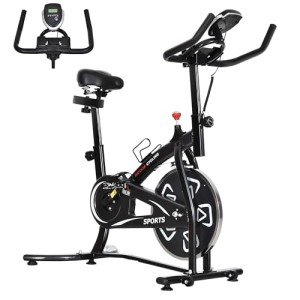
- Spin Bikes: Designed for high-intensity workouts, spin bikes have a heavy flywheel that provides a more challenging ride. Exersise Bike led by trainers often accompany these bikes, including motivation and friendship.
- Hybrid Stationary Bikes: Merging functions of upright and recumbent bikes, hybrid designs supply versatility and convenience. They are perfect for those who want a mix of cardio and strength training.
- Desk Bikes: These bikes allow users to cycle while working, blending fitness with performance. They are especially useful for those with inactive tasks.
How to Maximize Your Stationary Bike Workout
To gain the most gain from a stationary bike workout, it's important to execute reliable techniques. Here are some suggestions to help you make the most out of your cycling sessions:
- Warm Up and Cool Down: Begin with a 5-10 minute warm-up at a low resistance to prepare your muscles. Likewise, cool off with gentler cycling to slowly bring your heart rate down.
- Set Goals: Define clear, quantifiable objectives for your workouts, whether it's burning a specific variety of calories, biking a certain distance, or finishing a set period of exercise.
- Vary Your Routine: Incorporate various types of cycling sessions, such as endurance rides, sprint intervals, and hill climbs up, to keep exercises engaging and to challenge your body.
- Monitor Your Form: Maintain a proper posture while cycling. Keep your back straight, shoulders unwinded, and feet positioned correctly on the pedals to avoid pain and injury.
- Stay Hydrated: Keep a water bottle easily offered, as proper hydration is important throughout any exercise to maintain energy levels and performance.
- Include Technology: Many modern stationary bicycles come equipped with fitness tracking functions or connectivity to apps that can help monitor your development.
FAQs About Stationary Bike Exercise
1. How often should I utilize a stationary bike for exercise?
Most fitness professionals advise at least 150 minutes of moderate aerobic activity every week, which can be broken down into 30 minutes a day, 5 days a week.
2. Can I reduce weight by utilizing a stationary bicycle?
Yes! Stationary cycling is an effective method to burn calories and drop weight, especially when integrated with a balanced diet plan. The number of calories burned will depend on your intensity and duration of the workout.
3. Is stationary cycling ideal for novices?
Definitely! Stationary biking is accessible for all fitness levels. Beginners can begin with shorter sessions and low resistance, slowly increasing intensity as they construct strength and endurance.
4. How can I ensure I'm utilizing the bike correctly?
Examine that the seat height is adjusted so that your knees slightly flex when the pedal is at its floor. Your hands ought to rest comfortably on the handlebars, and your posture ought to stay upright.
5. What are the common errors to prevent while utilizing a stationary bike?
Avoid hunching over and straining your back, pedaling with a locked knee, and setting the resistance expensive too quickly, as these can cause injury.
Stationary bike exercise is more than simply a pattern; it is a fundamental component of lots of effective fitness regimes. Its flexibility, health benefits, and suitability for various fitness levels make it an outstanding option for anyone wanting to improve their total well-being. Whether a specific chooses the strength of a spin class or the unwinded nature of a recumbent bike, stationary stationary bicycle provide an available path to achieving individual fitness goals. Embrace the ride and experience the various benefits that feature integrating this efficient workout into your routine.